Small-Space Furniture Has to Earn More Than Its Footprint
The most useful pieces fold, store, move, or solve two genuine needs without becoming awkward at both.
Affiliate disclosure: We may earn a commission if you buy through links on this page. Our editorial choices are independent, and prices and availability can change.
Small-space furniture is often marketed as a magic trick: a console becomes a table, an ottoman becomes a guest bed, a shelf becomes an office. The trick is useful only when the transformation is easy enough to repeat and both versions work well.
Map the open and closed footprints with tape. Include chair pullout, cabinet doors, walking clearance, and where the displaced objects go during the change.
Choose around the routine you repeat
- Tape both configurations
- Choose for the daily mode
- Test the transformation steps
- Keep walking clearance
Our scenario-based picks
These are product types to compare, not claims of laboratory or hands-on testing. Each link opens a current retailer search so you can compare specifications, seller terms, and availability.
Drop-leaf table
Best for: Two daily seats with occasional extra surface
Tradeoff: Leaf needs clear swing space
Check current optionsLift-top storage ottoman
Best for: Blankets, games, and flexible seating
Tradeoff: Access can be blocked by trays
Check current optionsCompact sleeper chair
Best for: Occasional overnight guests in a studio
Tradeoff: Compromise seating and sleeping dimensions
Check current optionsPrioritize the daily mode
If a table is used as a desk five days a week and a dining table twice a month, it should be comfortable first as a desk. Occasional functions should not make the everyday experience unstable or inconvenient.
Storage furniture needs access
A storage ottoman that requires moving a coffee tray will not be opened often. Drawers and lift tops should clear surrounding pieces. Use hidden storage for low-frequency items and open storage for daily ones.
Visual lightness can matter
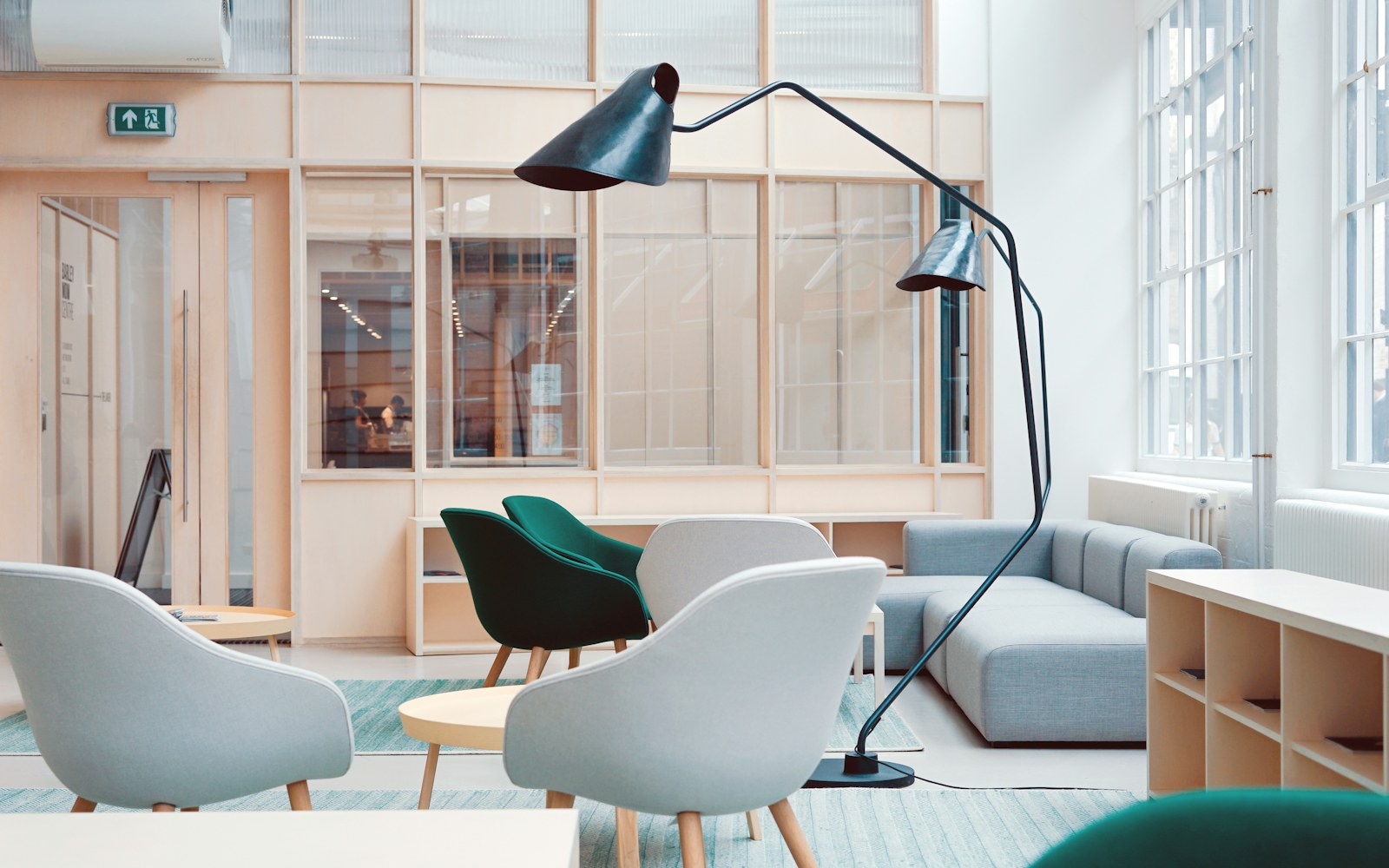
Raised legs, open frames, and a little space around furniture help a room feel less blocked. That does not mean every piece must be tiny. One correctly scaled sofa can work better than several cramped chairs.
Frequently asked questions
Is multifunction furniture always best in a small space?
Only when the secondary function is genuinely useful and the daily function remains comfortable.
Should all furniture be apartment-sized?
No. A few correctly scaled pieces can feel calmer than many undersized items.
Editorial note: This guide is based on published product information and practical use-case analysis. Unbox Radio has not claimed hands-on testing of the products linked above. Last reviewed July 31, 2026.